Shelf Films as a New Phenomenon in Belarusian Culture
Artist’s reflections through the cases of “Kupala” and “Liberté”
DOI:
https://doi.org/10.17892/app.2026.00022.425Keywords:
Belarus, Vladimir Yankovskiy, Andrei Kureichik, cinema, political censorship, shelf films, Kupala, Liberté, national identity, cultural decolonisation, political repression, Belarusfilm, dissident art, post-Soviet authoritarianism, 2020 Belarusian protestsAbstract
This essay examines Belarusian ‘shelf films’: completed films denied distribution or public existence. Two cases anchor the analysis: Kupala (Vladimir Yankovskiy [Uladzimir Iankoŭski], 2020, Belarus), a state-funded biopic withheld from release after the 2020 political crisis, and Liberté (Andrei Kureichik [Andrėi Kurėǐchyk], 2020–2026, Belarus), an independent drama completed despite police searches. Drawing on the author's experience as screenwriter, producer, and director, the essay reconstructs the censorship apparatus, from self-censorship and ideological gatekeeping to police raids, that turns politically sensitive films into Schrödinger's artefacts: existing yet inaccessible. Unlike its Soviet precedent, contemporary shelving does not merely withhold films; it denies distribution certificates, blocks online access, and deploys state security forces against the material conditions of filmmaking itself.
«Палічныя фільмы» як новая з'ява ў беларускай культуры: разважанні кінематаграфіста пра выпадкі фільмаў «Купала» і Liberté
У гэтым эсэ разглядаецца феномен беларускіх «палічных фільмаў»: завершаных фільмаў, пазбаўленых дыстрыбуцыі або публічнага існавання. Аналіз абапіраецца на два выпадкі: «Купала» (Уладзімір Янкоўскі, 2020, Беларусь), біяграфічны фільм, зняты на дзяржаўныя сродкі і не выпушчаны ў пракат пасля палітычнага крызісу 2020 года, і Liberté (Андрэй Курэйчык, 2020–2026, Беларусь), незалежная драма, завершаная нягледзячы на паліцэйскія ператрусы. Абапіраючыся на ўласны досвед сцэнарыста, прадзюсара і рэжысёра, аўтар рэканструюе апарат цэнзуры — ад самацэнзуры і ідэалагічнага кантролю да паліцэйскіх ператрусаў – які ператварае палітычна адчувальныя фільмы ў артэфакты Шродзінгера: яны існуюць і адначасова недаступныя. У адрозненне ад савецкай практыкі, сучаснае «пакладанне на паліцу» не проста хавае фільмы: яно пазбаўляе іх пракатных пасведчанняў, блакуе доступ у інтэрнэце і скіроўвае сілавыя структуры супраць саміх матэрыяльных умоў кінавытворчасці.
Ключавыя словы: Беларусь; Уладзімір Янкоўскі; Андрэй Курэйчык; кіно; палітычная цэнзура; «палічныя фільмы»; «Купала»; Liberté; нацыянальная ідэнтычнасць; культурная дэкаланізацыя; палітычныя рэпрэсіі; «Беларусьфільм»; дысідэнцкае мастацтва; постсавецкі аўтарытарызм; беларускія пратэсты 2020 года.
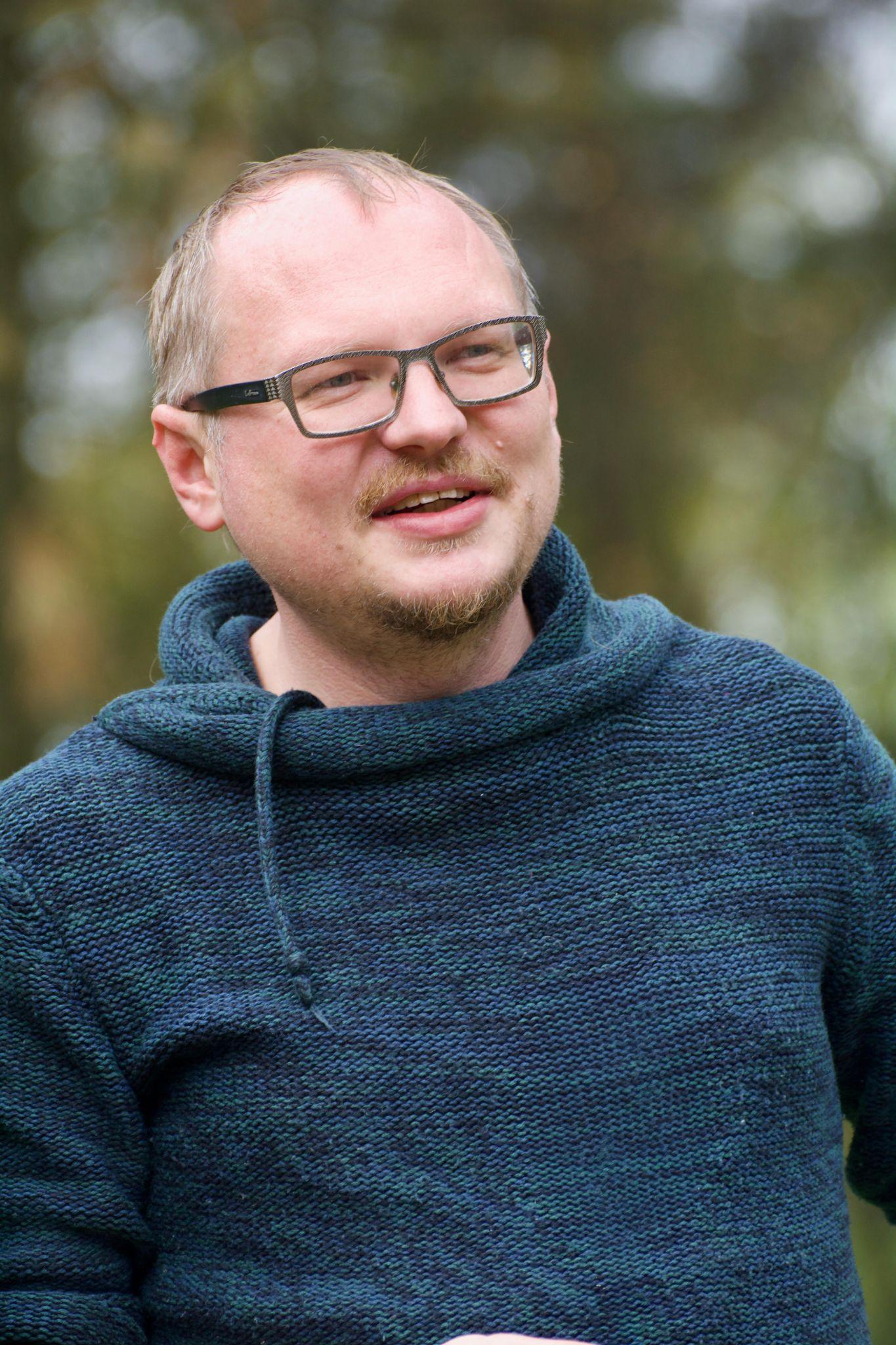
Photo courtesy of Andrei Kureichik.
Downloads
Published
How to Cite
Issue
Section
License
Copyright (c) 2026 Apparatus. Film, Media and Digital Cultures of Central and Eastern Europe

This work is licensed under a Creative Commons Attribution 4.0 International License.
The articles in Apparatus are published under https://creativecommons.org/licenses/by/4.0/ This license does not apply to the media referenced, which are subject to the individual rights owner's terms.
The authors hold the copyright without restrictions and retain publishing rights without restrictions.