Belarusian Cinema after 2020
Editorial Introduction
DOI:
https://doi.org/10.17892/app.2026.00022.441Keywords:
Belarusian cinema, 2020 Belarusian protests, diasporic governance, exile cinema, accented cinema, stateless cinema, Belarusian Independent Film Academy (BFN), Belarusian Filmmakers’ Network (BIFA), Red Heather Awards, VOSBLISK, Northern Lights Film Festival, protest documentary, face blur, decolonising Slavic StudiesAbstract
Since the falsified presidential election of 9 August 2020 and the violent suppression of the protests it triggered, Belarusian independent cinema has had to remake itself in exile. Already marginal at home, where it worked outside a state industry monopolised by Belarusfilm, it now pieces together, dispersed and underfunded, something that gradually approximates a working industry. Scattered across Europe and the United States, filmmakers, critics, and festival organisers are taking up, function by function, the apparatus by which a national cinema is made and given value: production, distribution, and exhibition on one side; accreditation, canon formation, and critical evaluation on the other. They do so without regular budgets, without institutions to fall back on, and often at real risk to themselves. This work has coalesced, for now, around five bodies: the Belarusian Filmmakers’ Network (BFN), the Belarusian Independent Film Academy (BIFA), the distribution platform VODBLISK, the Northern Lights Film Festival, and the Red Heather Belarusian Film Critics Award. Together they constitute what we call networked diasporic governance: a cultural infrastructure held across borders by a handful of practitioners, in place of, and against, the state’s institutions. The interviews, essays, and reviews gathered here document this formation from within. Whether this configuration can survive, and whether it can scale, is now the question this issue poses.
Беларускае кіно пасля 2020 года: Рэдакцыйная прадмова
Пасля сфальсіфікаваных прэзідэнцкіх выбараў 9 жніўня 2020 года і гвалтоўнага падаўлення пратэстаў беларускае незалежнае кіно мусіла нанова ствараць сябе ў выгнанні. Яшчэ на радзіме яно трымалася на ўзбочыне, працуючы па-за дзяржаўнай сістэмай, якую манапалізаваў «Беларусьфільм»; цяпер, раскіданае па свеце і амаль без сродкаў, яно па кавалках складае нешта, што пакрысе набывае рысы паўнавартаснай кінаіндустрыі. Беларускія кінематаграфісты, крытыкі і арганізатары фестываляў, якія працуюць у розных краінах Еўропы, а таксама ў ЗША, пераймаюць, функцыя за функцыяй, апарат, праз які нацыянальнае кіно ствараецца і надзяляецца вартасцю: вытворчасць, дыстрыбуцыю і паказ з аднаго боку; акрэдытацыю, фарміраванне канону і крытычную ацэнку з другога. І робяць гэта без стабільнага фінансавання, без інстытуцый за плячыма і часта без гарантый бяспекі. Пакуль што гэтая праца склалася вакол пяці структур: Belarusian Filmmaker’s Network (BFN), Беларускай незалежнай кінаакадэміі (BIFA), дыстрыбуцыйнай платформы VODBLISK, кінафестывалю «Паўночнае ззянне» (Northern Lights) і Прэміі беларускіх кінакрытыкаў «Чырвоны верас» (Red Heather). Разам яны ўтвараюць тое, што мы называем сеткавым дыяспарным кіраваннем: культурную інфраструктуру, якую трымае праз межы невялікае кола дзеячаў, замест дзяржаўных інстытуцый і насуперак ім. Сабраныя тут эсэ, інтэрв’ю і рэцэнзіі дакументуюць гэтае ўтварэнне знутры. Ці выжыве такая канфігурацыя і ці зможа яна развівацца далей? Вось пытанне, якое задае гэты нумар.
Ключавыя словы: беларускае кіно; беларускія пратэсты 2020 года; дыяспарнае кіраванне; кіно ў выгнанні; акцэнтаванае кіно; кіно без дзяржавы; Беларуская незалежная кінаакадэмія (BIFA); Belarusian Filmmakers’ Network (BFN); Прэмія «Чырвоны верас» (Red Heather); VODBLISK, «Паўночнае ззянне», Northern Lights Film Festival, пратэсная дакументалістыка; размыванне твараў; дэкаланізацыя славістыкі.
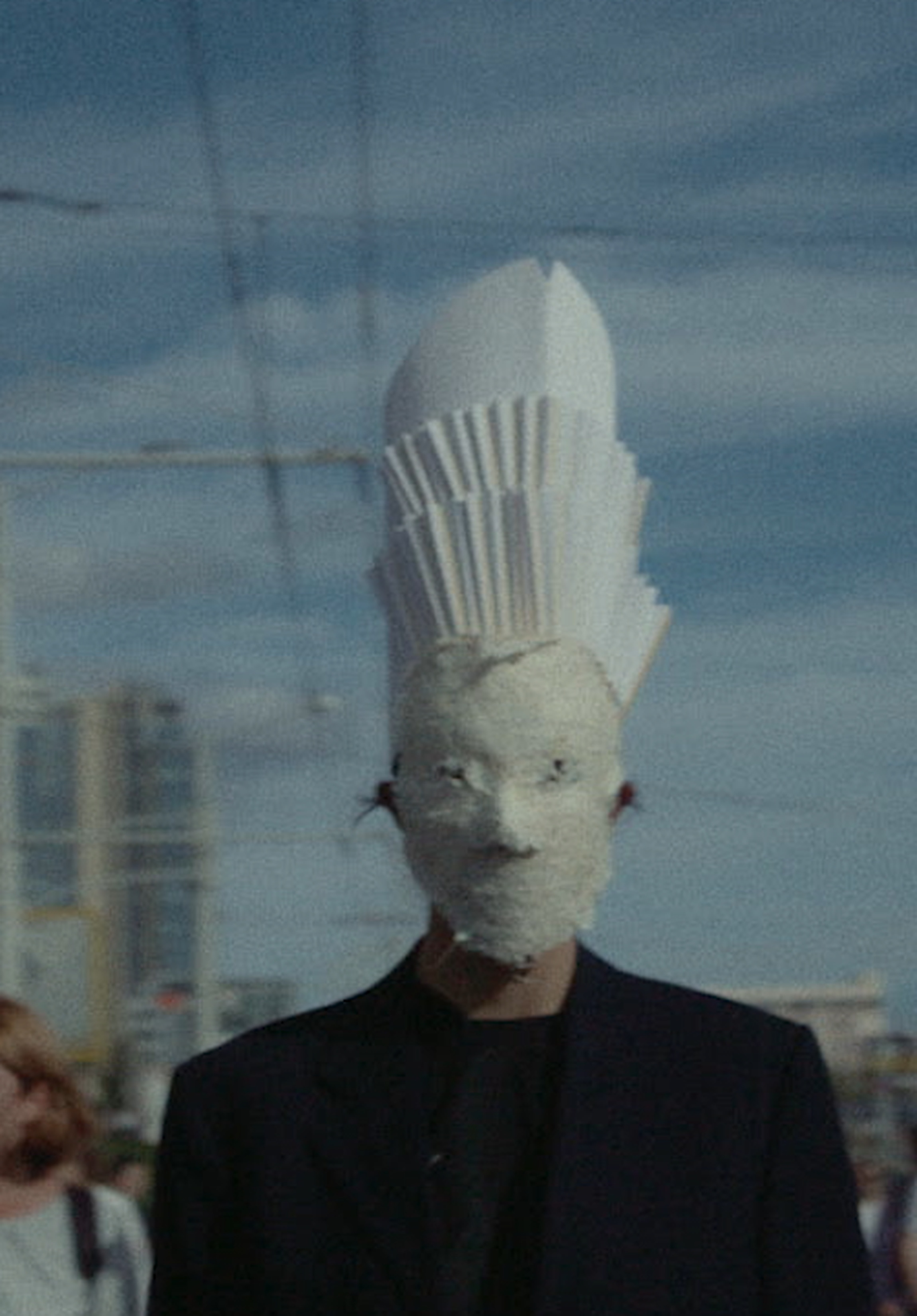
Cover: Still from Mara (dir. Sasha Kulak, 2022)
Downloads
Published
How to Cite
Issue
Section
License
Copyright (c) 2026 Apparatus. Film, Media and Digital Cultures of Central and Eastern Europe

This work is licensed under a Creative Commons Attribution 4.0 International License.
The articles in Apparatus are published under https://creativecommons.org/licenses/by/4.0/ This license does not apply to the media referenced, which are subject to the individual rights owner's terms.
The authors hold the copyright without restrictions and retain publishing rights without restrictions.