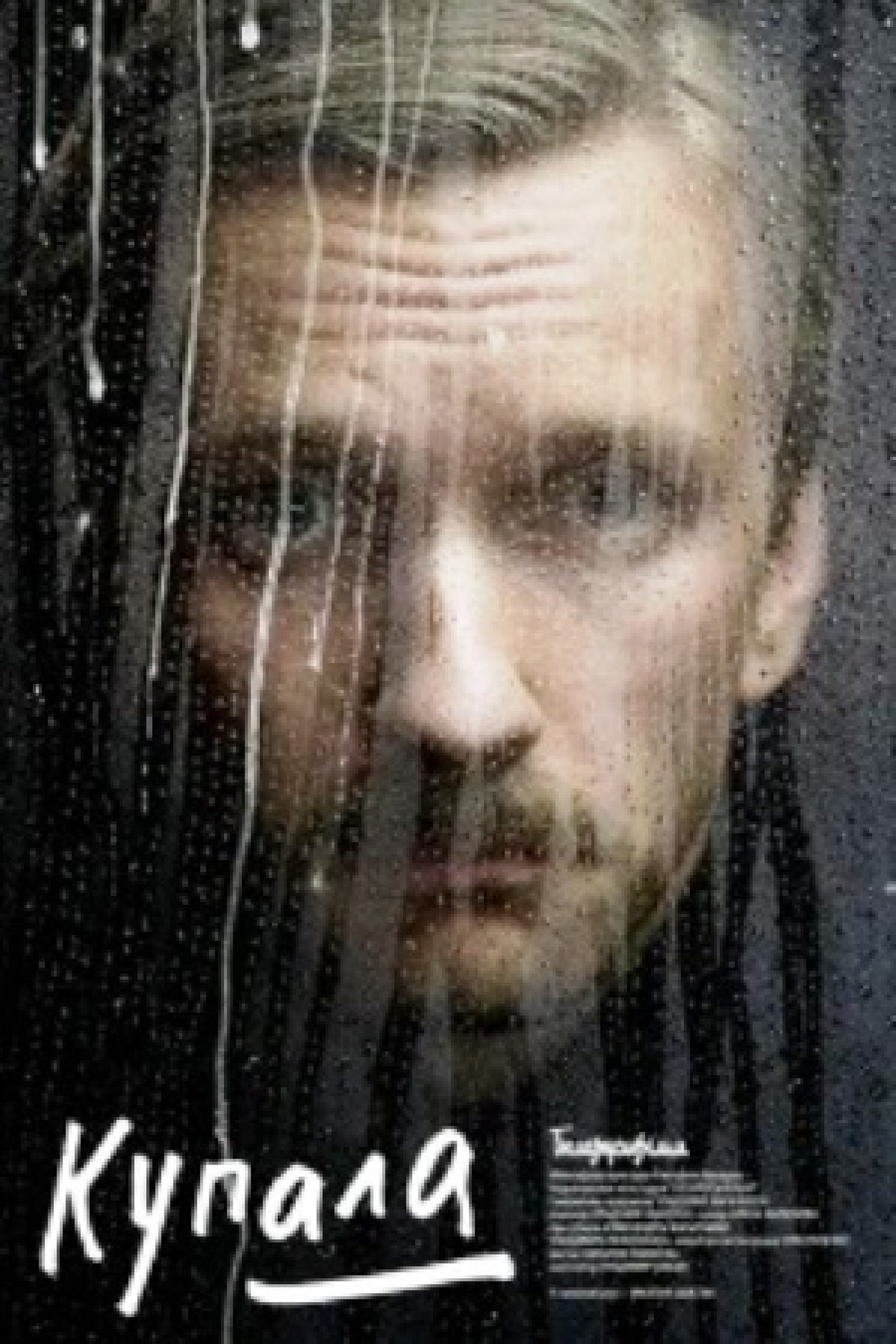
“Kupala” (2020) by Vladimir Yankovskiy
DOI:
https://doi.org/10.17892/app.2026.00022.442Keywords:
Yanka Kupala, Vladimir Yankovskiy (Uladzimir Iankoǔski), Belarus, Russian Empire, Soviet Union, Kupala, nationalism, biopic, poetryAbstract
This review examines Kupala (Vladimir Yankovskiy [Uladzimir Iankoŭski], 2020, Belarus), a state-funded Belarusfilm biopic of the national poet Yanka Kupala (1882–1942) that was effectively shelved amid the repression following the 2020 protests. It argues that, although the film introduces audiences to the early Belarusian national movement and its literary tradition, its confinement of Kupala to the pre-1915 period and its reduction of his Soviet career to a single episode of political coercion reaffirm the myths surrounding the poet rather than subjecting them to historical scrutiny.
Купала (2020) Уладзіміра Янкоўскага
У рэцэнзіі разглядаецца Купала (Уладзімір Янкоўскі [Uladzimir Iankoŭski], 2020, Беларусь), байопік студыі «Беларусьфільм» пра нацыянальнага паэта Янку Купалу (1882–1942), зняты на дзяржаўныя сродкі і фактычна пакладзены на паліцу на фоне рэпрэсій пасля пратэстаў 2020 года. Фільм знаёміць гледачоў з раннім беларускім нацыянальным рухам і яго літаратурнай традыцыяй. Аднак вобраз Купалы абмежаваны перыядам да 1915 года, а яго савецкая кар’ера зведзена да аднаго эпізоду палітычнага прымусу. У рэцэнзіі сцвярджаецца, што такі падыход хутчэй замацоўвае міфы вакол паэта, чым падвяргае іх гістарычнаму аналізу.
Ключавыя словы: Янка Купала, Уладзімір Янкоўскі, Беларусь, Расійская імперыя, Савецкі Саюз, Kupala, нацыяналізм, байопік, паэзія.
Downloads
Published
How to Cite
Issue
Section
License
Copyright (c) 2026 Apparatus. Film, Media and Digital Cultures of Central and Eastern Europe

This work is licensed under a Creative Commons Attribution 4.0 International License.
The articles in Apparatus are published under https://creativecommons.org/licenses/by/4.0/ This license does not apply to the media referenced, which are subject to the individual rights owner's terms.
The authors hold the copyright without restrictions and retain publishing rights without restrictions.